
Fintech
Identity Verification Pipelines
KYC and onboarding services call the API from their verification workflow to confirm that the photo on a submitted ID matches the person elsewhere on the public web.
Submit a photo, poll for completion, read results: a stable REST surface for reverse face image search.
Get an API KeySubmit a photo, poll for completion, read results: a stable REST surface for reverse face image search.
Three steps from a blank terminal to your first search result.

Log in to the dashboard and generate a key. The plaintext is shown exactly once. Store it in your secrets manager and never commit it to source.

curl -F image=@face.jpg https://facesearch.net/api/v1/search with your Bearer header. The endpoint returns a jobId in under a second.

GET /api/v1/search/{jobId} every 3-5 seconds. When status is completed, the response includes matched source URLs, thumbnails, and confidence scores.
Everything you need to integrate face search into a production backend.

Hand-written OpenAPI document at /api/v1/openapi.json powers every type-safe SDK, from Postman imports to generated clients in 20+ languages.
Send an RFC 9110 Idempotency-Key header and the server returns the same jobId for duplicate submits. Omit it and the server derives a content hash automatically, so naive retries are always safe.
Each API key can carry an optional daily and monthly cap. A leaked key cannot drain your whole balance because the quota is enforced at Redis speed with a Postgres fallback.
Every response carries X-RateLimit-Remaining and X-RateLimit-Reset headers. 429 responses include Retry-After so you know exactly when to try again.
API usage draws from the same credit balance as the web UI. One top-up in the dashboard powers both surfaces with no new billing SKU to manage.
Every error response is a stable envelope: code, message, status. Codes like INSUFFICIENT_CREDITS and RATE_LIMITED never change, so your error handling can be boring and forever.
Every FaceSearch API call is one HTTP request. Here is the same 'submit a face search' flow in five languages.
# 1. Submit a face image for search
curl -X POST https://facesearch.net/api/v1/search \
 -H "Authorization: Bearer fs_live_YOUR_KEY" \
 -H "Idempotency-Key: submit-$(date +%s)" \
 -F "image=@/path/to/face.jpg" \
 -F "consent=true"

# 2. Poll for completion
curl https://facesearch.net/api/v1/search/JOB_ID \
 -H "Authorization: Bearer fs_live_YOUR_KEY"

# 3. Check your credit balance
curl https://facesearch.net/api/v1/credits \
-H "Authorization: Bearer fs_live_YOUR_KEY"The API powers teams that need face search at scale.
KYC and onboarding services call the API from their verification workflow to confirm that the photo on a submitted ID matches the person elsewhere on the public web.
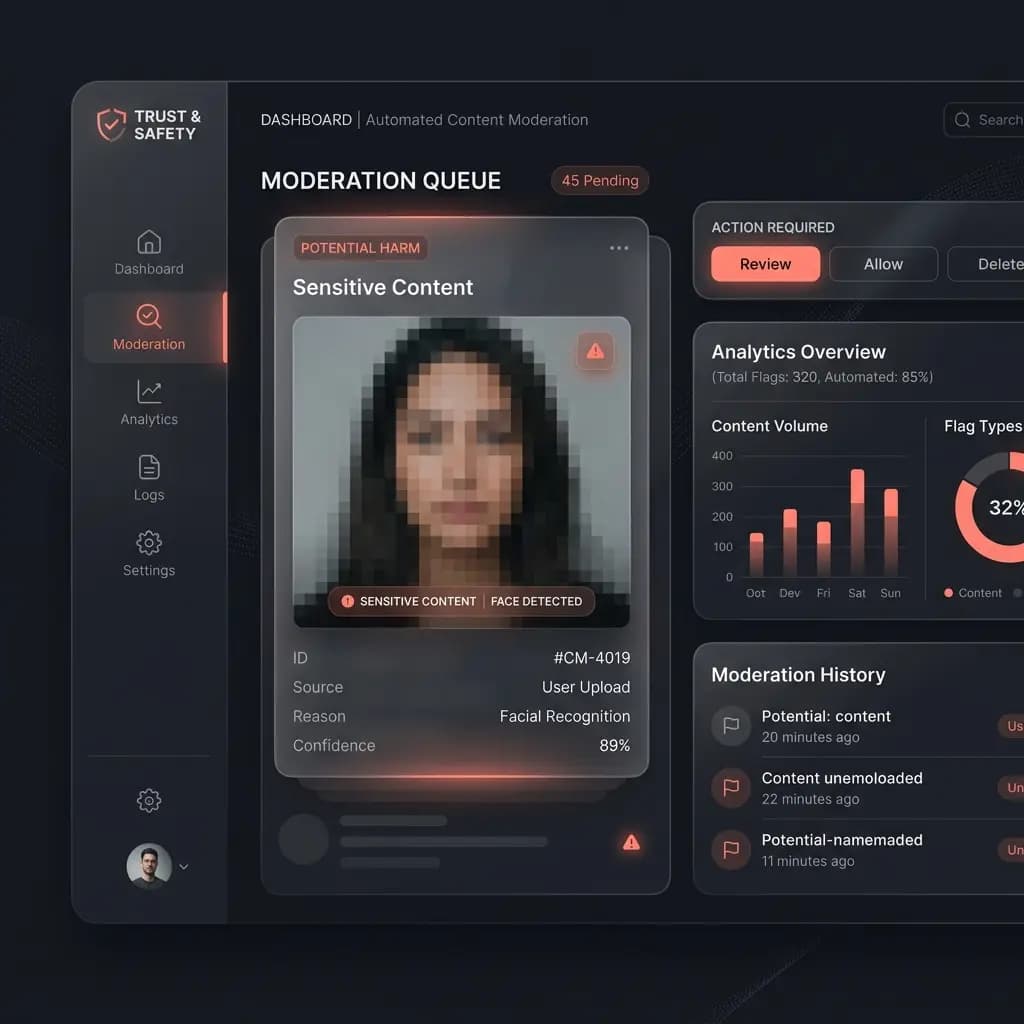
Trust and safety teams wire the API into their incident response pipeline so escalated user reports can be enriched with context in seconds, not hours.
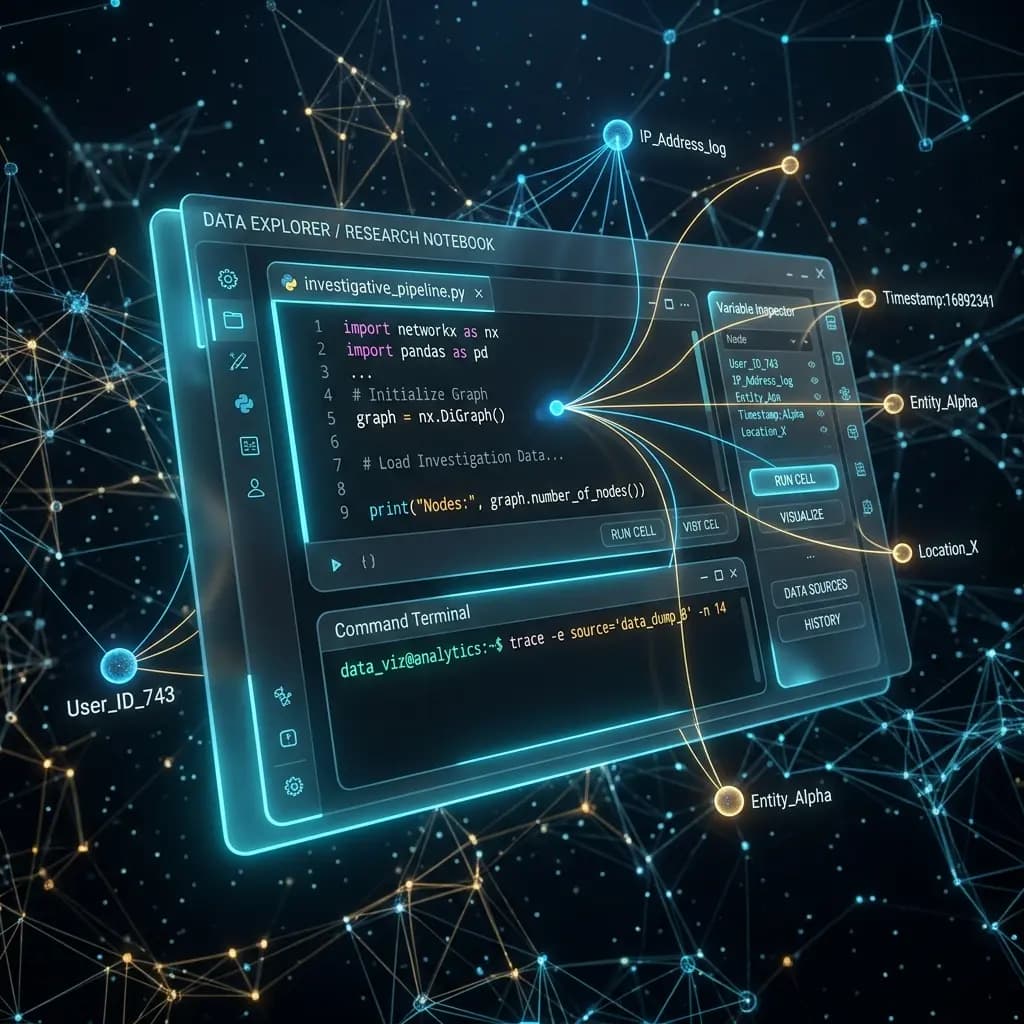
Investigative journalists and OSINT researchers script bulk face searches from Jupyter notebooks, using the idempotency key header to deduplicate overnight batch runs.
Choose the plan that fits your needs. No hidden fees, cancel anytime.
For professionals and power users
Pay As You Go
Starter
$2.00/credit
$6
$2.00/credit
Basic
$0.80/credit
$24
$0.80/credit
Standard
$0.69/credit
$69
$0.69/credit
Pro
$0.66/credit
$199
$0.66/credit
Enterprise
$0.60/credit
$599
$0.60/credit
Everything developers ask before writing their first request.
Bearer token authentication with API keys issued from the dashboard. Keys are prefixed with fs_live_ and are argon2id-hashed at rest. Never check keys into source control; use a secrets manager or environment variable.
Send an RFC 9110 Idempotency-Key header on POST /api/v1/search and the server dedupes by (user, key). Omit the header and the server derives sha256:<hex> from the image bytes automatically, so network retries of the same image always return the same jobId.
Each API key has its own rate-limit bucket enforced via Redis. Every response includes X-RateLimit-Remaining and X-RateLimit-Reset headers. On 429 responses, the Retry-After header tells you exactly how long to wait.
3 credits per search, drawn from the same shared credit pool as the web UI. Check your balance any time via GET /api/v1/credits.
Yes. GET /api/v1/openapi.json returns a hand-written OpenAPI 3.1 document covering every v1 endpoint. Import it into Postman, Insomnia, or a code generator to get a typed SDK in seconds.
The rate limiter fails open for 30 seconds with warning logs, then the circuit opens and returns 503 SERVICE_DEGRADED with Retry-After: 30. Auth itself has a Postgres fallback, so searches keep working on the durable path.
Yes. Revoke any key from the dashboard and the change propagates within one request. Because per-key quotas are a hard cap, even a leaked key has a bounded blast radius.
JPEG, PNG, and WebP, up to 10 MB and between 200x200 and 4096x4096 pixels. Submissions outside those bounds return a 400 with a specific error code so your client can react accordingly.
Create a free API key, paste the curl one-liner, and run your first search in under ten minutes.
No credit card required