
Journalism
Investigative Journalism
Reporters and OSINT researchers load the skill into their agent of choice and let it drive reverse face searches during investigations, with built-in safety refusals for minors and non-consent.
The searching-faces agent skill teaches any AI agent when, how, and when NOT to run a face search.
Install the Agent SkillThe searching-faces agent skill teaches any AI agent when, how, and when NOT to run a face search.
Install once, and any compatible agent loads the skill automatically when a request looks like a face search, then follows its instructions step by step.

Drop the skill folder into ~/.claude/skills/, your Cursor rules directory, your Cline workspace, or any agent runtime that reads Markdown-based skill packages. One package, every client.

When a user asks 'find where this face appears online' with an image, the agent recognizes the skill from its 338-character description and loads the full instructions on demand.

The agent skill enforces hard refusals for minors, non-consent, and stalking. It checks credits before submitting, polls responsibly, and presents results with confidence-score caveats.
Everything the skill bundles so any AI agent can run face search safely and reliably.

SKILL.md stays under 300 lines and links to two reference files exactly one level deep (mcp-setup.md, rest-examples.md). The agent reads only what the current task needs, keeping context lean.
Three non-negotiable refusals baked in: no searches on minors, no non-consensual identification, no searches on non-face images. The skill explains each refusal with clear language any agent can relay to the user.
The skill instructs the agent to check get_credits before submitting when the user has fewer than 10 credits, and to tell the user how many searches they can afford. No surprise INSUFFICIENT_CREDITS errors.
The skill teaches agents how to read confidence scores: 90+ is exact, 83-89 is high, 70-82 is low, below 70 is likely not a match. Every claim ships with a caveat instead of asserting identity as fact.
The skill works whether your agent is wired to the MCP server or only has an API key. Reference files cover both paths with copy-pasteable snippets.
The repo ships scripts/lint-skills.ts which enforces portable agent-skill authoring constraints: frontmatter field limits, body line caps, one-level-deep reference rule, no backslash paths, no reserved words. CI catches drift before merge.
Drop the searching-faces skill into any agent runtime with a single npx call, then open the repo on GitHub to browse SKILL.md and the reference files.
npx skills add face-search/facesearch-skillFrom individual researchers to enterprise teams, the skill is for anyone who wants their AI agent to do face search responsibly.
Reporters and OSINT researchers load the skill into their agent of choice and let it drive reverse face searches during investigations, with built-in safety refusals for minors and non-consent.
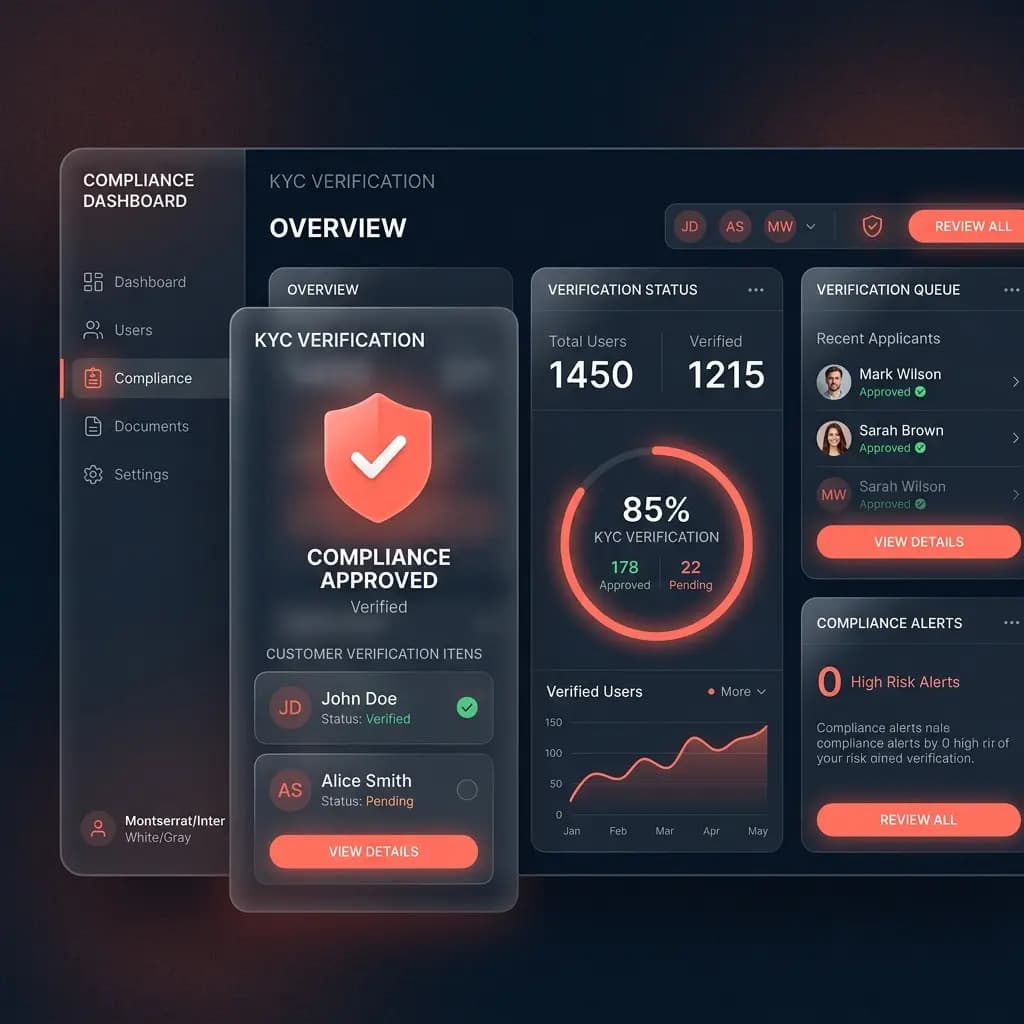
Compliance teams install the skill so analysts can ask any supported agent to verify identity claims during a review, with the skill's confidence-score guidance making recommendations instead of assertions.

Engineers building multi-agent workflows install the skill to quickly scaffold a face-search capability across whichever runtime they target, then use it as a reference when writing production pipelines.
Choose the plan that fits your needs. No hidden fees, cancel anytime.
For professionals and power users
Pay As You Go
Starter
$2.00/credit
$6
$2.00/credit
Basic
$0.80/credit
$24
$0.80/credit
Standard
$0.69/credit
$69
$0.69/credit
Pro
$0.66/credit
$199
$0.66/credit
Enterprise
$0.60/credit
$599
$0.60/credit
Everything skill users ask before installing.
The skill is open source in the facesearch repo at skills/facesearch/. It consists of SKILL.md plus two reference files: reference/mcp-setup.md and reference/rest-examples.md. Total size is under 500 lines, following portable agent-skill authoring guidance.
Any agent runtime that reads SKILL.md-style Markdown skill packages. That explicitly includes Claude Code, claude.ai, and Claude Desktop, plus Cursor, Cline, Aider, and custom agents built on the Agent SDK, LangGraph, or your own framework. The skill is plain Markdown, with no Claude-only APIs.
For Claude Code, clone or download skills/facesearch/ into ~/.claude/skills/ (personal) or your project's .claude/skills/ (team-shared), then restart. For claude.ai, upload skills/facesearch/ as a zip via Settings > Features > Skills (Pro, Max, Team, or Enterprise plans with code execution enabled).
Point your runtime's skill or rules directory at skills/facesearch/SKILL.md. Most agent runtimes load Markdown instructions directly or wrap them as project rules; the frontmatter tells your agent when to trigger the skill without any runtime-specific glue.
Three hard refusals: (1) no searches on minors, (2) no non-consensual identification (stalking, doxxing), (3) no searches on images without a visible face. Each refusal comes with clear language your agent uses to explain to the user.
No. The skill works with either the hosted MCP server (preferred) or direct REST API calls. Both paths are covered in the reference files with copy-pasteable snippets.
Progressive disclosure. SKILL.md is a high-level table of contents; your agent reads the reference files only when the task requires them. Keeping the main file concise saves context for the actual conversation.
Yes. The skill is open source under the same license as the repo. Fork it, add your team's acceptable-use language, and install the forked version into whatever agent runtime your team uses. Use scripts/lint-skills.ts to verify your changes pass the authoring rules.
Drop the skill into Claude, Cursor, Cline, or any runtime that reads SKILL.md, and your agent can search faces responsibly out of the box.
No credit card required